Pawberry: why one high-ticket sale beats ten low-ticket sales
Burned out after a year running a low-ticket general store. Came to us wanting higher-AOV products. We built a pet furniture store on the Niche Store package; he reported ~5× the profit of his old store on roughly a tenth of the order volume.
The story
What wasn't working
David ran a low-ticket general store for a year. Random trending products, $15 to $25 price points, hundreds of orders a month, margins eaten alive by ad costs and refunds. Net profit around $400/month. Hours spent: too many.
The problem with low-ticket isn't the ceiling. It's the floor. At $22 average order value, you need Meta CPA under $10 to have profit left, and once tracking went patchy post-iOS 14, that margin basically disappeared for a lot of stores like his.
The switch
He came to us asking specifically for high-ticket. Pet furniture: elevated beds, cat towers, orthopaedic dog mattresses. Price points between $80 and $200, healthier per-unit margins, and a supplier from our warehouse network that could actually handle furniture shipping. (That last part is the hidden catch with furniture dropshipping; most suppliers can't.)
The storefront was built to justify the price tag. Proper product photography, detailed spec sheets, size guides, warranty language. High-ticket customers read more before buying. The page has to earn the read.
The trade
Month one was slower than he was used to. Around 30 orders against the 300 he used to do on the old store - roughly $4,300 in revenue. He said the first week was the hardest part mentally; staring at an almost-empty order page when you're used to constant volume messes with your head, even when you know the math is in your favour.
By month two the ad data had matured, repeat traffic was kicking in, and orders more than tripled. AOV held at $143, margins at 38% (vs 12% on the old store), and the math worked out to about 5× the profit on a tenth of the orders.
Reported $18,600 across the first 60 days.
What we'd flag
High-ticket stores have slower month-ones and thinner ad feedback data in the first few weeks, because you simply have fewer data points to learn from. David's switch worked because he accepted that trade knowingly. Clients who expect high-ticket to feel like low-ticket-but-bigger tend to panic in week two and scale ads prematurely, which is the failure mode we see most often on this model.
In their own words
“I'd been doing $20 mug sales for a year. Four hundred a month in profit and I wanted to quit. Switching to $120 pet beds meant I needed one-tenth the orders to make five times the money. I should have started here. That's the whole lesson.”
Other stores we've built
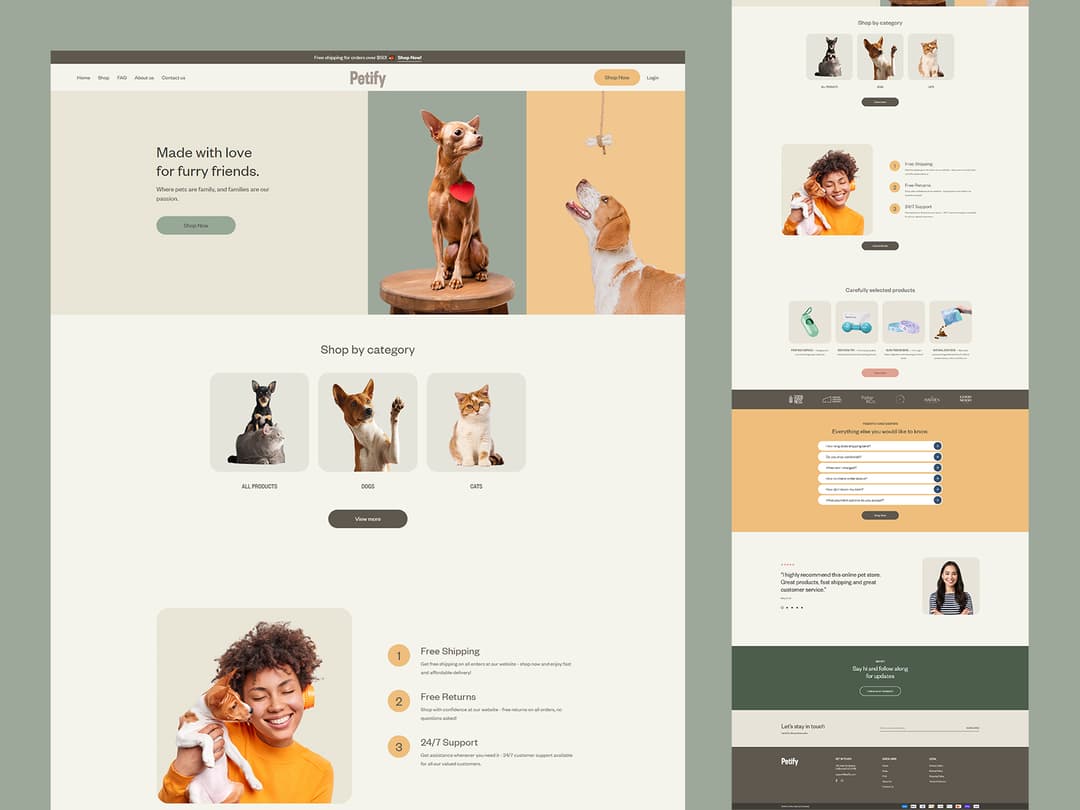
Pets
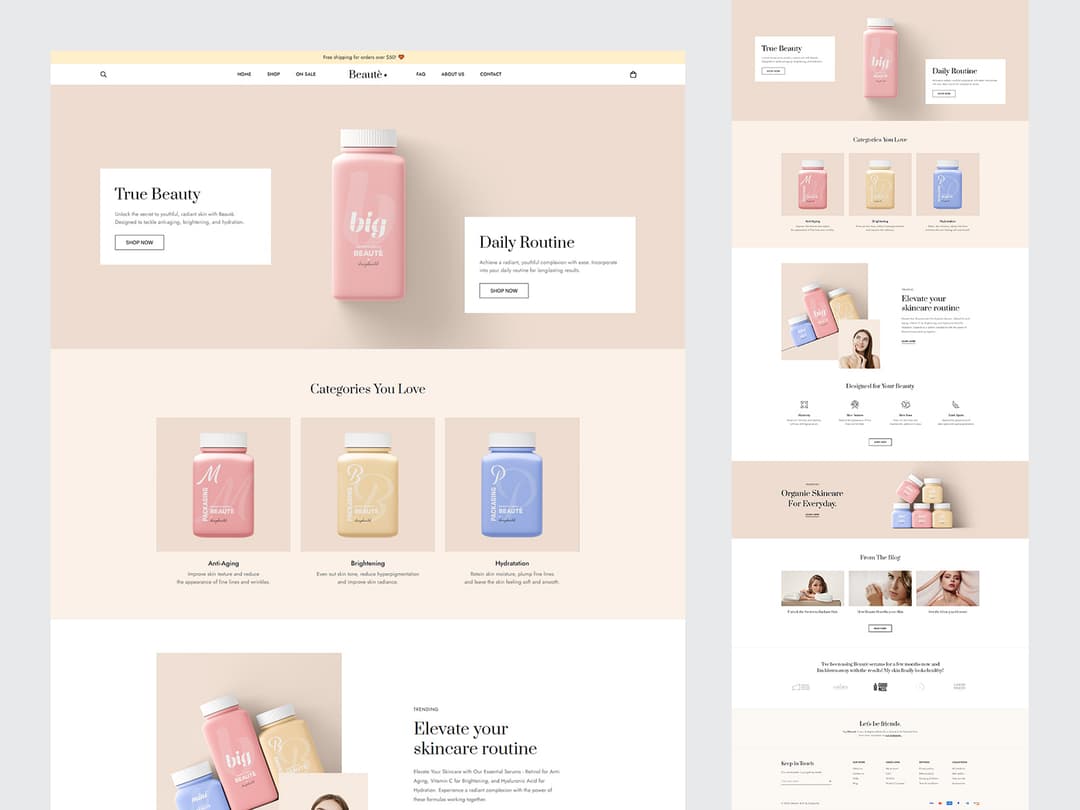
Health and Beauty
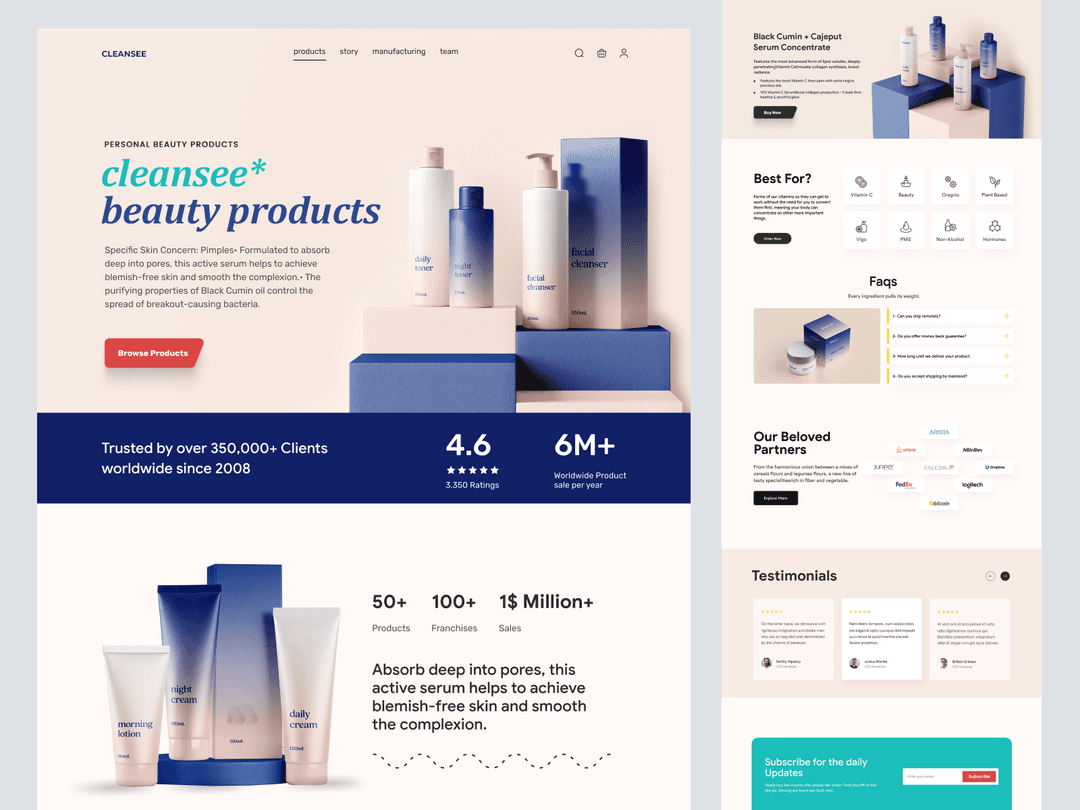
Skincare
dropshipping business?